Neurology Rehabilitation
Neurology rehabilitation focuses on improving movement, strength, balance, and daily function for individuals affected by neurological conditions. These conditions often change the way the body moves and responds, which makes specialised physiotherapy essential. At Bogar Physio and Pain Relief Clinic, our goal is to help each patient regain control, confidence, and independence through guided and personalised neurological care.
- Stroke
- Nerve Injury
- Balance And Coordination Difficulty
- Movement Disorders
- Walking Difficulty
- Muscle Weakness Related To Neurological Conditions
- Post-surgical Neurological Recovery
Therapies We Use
Our neurological rehabilitation programs are designed to restore movement patterns, improve muscle activity, and support overall functional recovery. Each therapy is chosen based on the patient’s ability, recovery stage, and long-term goals.
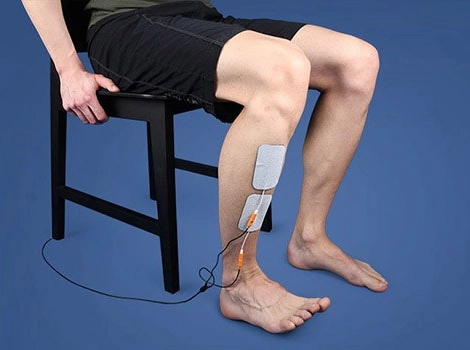
Functional Electrical Stimulation
Functional electrical stimulation helps activate weak or partially paralysed muscles. The controlled stimulation improves muscle strength, coordination, and joint mobility, especially in patients recovering from stroke or nerve injuries.
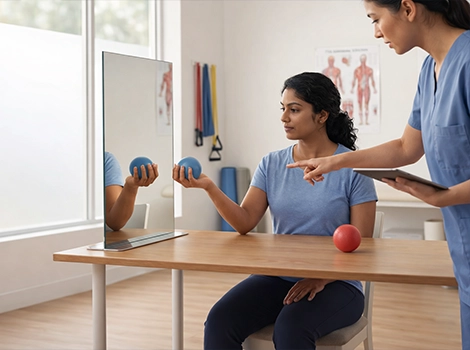
Mirror Therapy
Mirror therapy trains the brain to improve control over the affected side of the body. It is highly effective in improving movement, reducing pain, and supporting recovery for patients with stroke or complex regional changes.
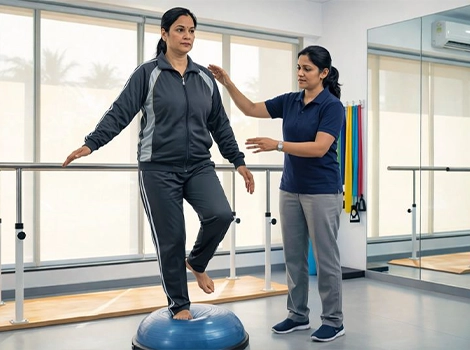
Balance and Coordination Training
Neurological conditions often affect balance and body control. Specialised balance exercises help improve stability, prevent falls, and enhance confidence during movement.
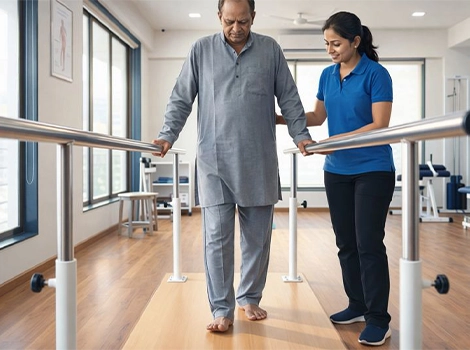
Gait Training
Gait training focuses on improving walking patterns and restoring safe and steady movement. We work on step length, foot placement, coordination, and weight transfer to make walking smoother and more natural.
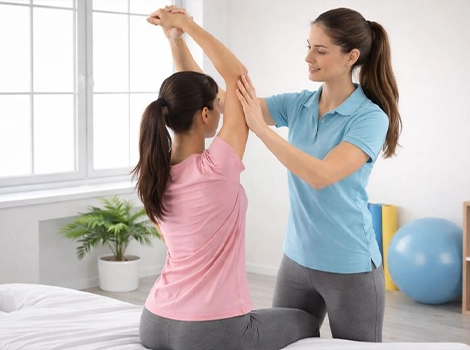
Neuromuscular Reeducation
This therapy helps the brain and muscles communicate effectively. Through guided movement patterns and repetitive training, patients learn to regain control over weakened or affected body parts.
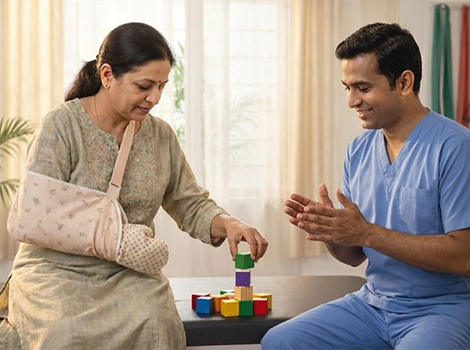
Constraint-Induced Movement Therapy
Constraint-induced therapy encourages the use of the weaker limb by gently restricting the stronger side. This accelerates improvement in strength, coordination, and functional ability.
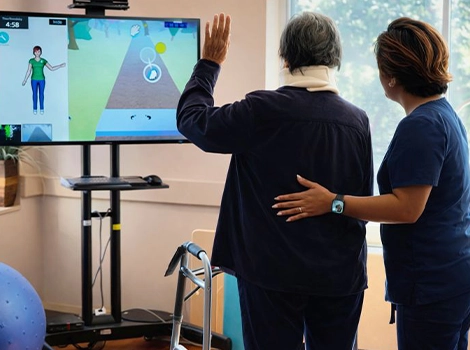
Virtual Reality-Based Rehabilitation
Virtual reality therapy offers engaging and effective exercises for neurological recovery. It improves coordination, motivation, and motor control in a safe and controlled environment.